
 Champions for Change
 Remembering Our Sisters
 Brave Heart
 California Native Youth Collective
 Building Communities of Hope
 Creative Native
 Democracy is Indigenous
Pasifika Students Leading With Ancestry, Advocacy & Purpose
What Is the Pūkoʻa Fellows Program?
The Pūkoʻa Fellows Program is a 12-week leadership and advocacy fellowship for Pasifika students living in the diaspora (outside of their ancestral homelands). A collaboration between the Center for Native American Youth (CNAY) and Hawaiian Diaspora, the cohort supports young Pasifika students in deepening their connection to Oceania while strengthening their ability to build impact on their college campuses and beyond.
Through weekly sessions, readings, reflection, mentorship from Pasifika peers, and a required student-led event, fellows explore diasporic identity, community responsibility, on-campus organizing, and the evolving political landscape affecting Pasifika students today.
The Purpose of Pūkoʻa Fellows
As a Pacific Islander student living away from your ancestral lands, you might know what it feels like to live between an academic and cultural space.
Maybe you’re one of only a few Pasifika students on your campus. Maybe people mispronounce your name, flatten your story, or treat your ancestral lands like vacation spots instead of homelands. Maybe you’re trying to juggle classes, family expectations, and the quiet ache of being away from your community. You want to do something for your people where you are now, but you’re not always sure where to start, or how to move in institutions that weren’t built for you.
Pūkoʻa Fellows was created for you.
This fellowship brings together Pasifika students in the diaspora who want to stay rooted in Oceania while organizing where they stand. Over 12 weeks, you’ll:
- Ground yourself in genealogy, stories, and community.
- Build the confidence to navigate and challenge colleges, policies, and systems that impact Pasifika students.
- Learn how to design and host an on-campus event that centers on Pasifika culture, history, or politics.
- Practice advocacy, strategy, and coalition-building with other Indigenous and marginalized communities.
- Dream and plan toward sovereign futures—not just for yourself, but for the generations coming after you.
Together, this first cohort will also create a strategic plan for Pasifika student organizing in this new DEI and higher-ed landscape, so that you’re not only surviving your college experience, but reshaping it for the next Pasifika students who arrive.
What “Pūkoʻa” Means
The name Pūkoʻa comes from the Hawaiian saying—ʻōlelo noʻeau—he pūkoʻa kani ʻāina, which translates to “a coral reef that grows into an island.” In Hawaiian knowledge systems, a pūkoʻa is a coral head: a small, living structure that, over long periods of time, builds upon itself until it becomes the foundation of new land.
For generations, Native Hawaiian navigators observed how these coral formations slowly accumulate, strengthen, and rise above the surface—transforming from a single reef into an island capable of sustaining life and community.
Pūkoʻa Fellows carries this name because it reflects the experience of Pasifika students living in the diaspora. Many of us begin as small, scattered points of culture and connection on our campuses—our own kīpuka, or pockets of renewal and refuge.
With support, community, and shared purpose, those small spaces can grow—just like a coral reef—into something larger: places of belonging, identity, and self-determination that keep us connected to our homelands.
Program Overview
- Weekly Sessions (12 weeks)
- Sessions include readings, group activities, facilitated discussion, guest speakers, and peer collaboration.
- Each session lasts approximately one hour, typically structured as a 20-minute presentation, 20-minute discussion, a short break, and a 15-minute activity.
- Sessions explore:
- Diasporic identity, genealogy, & movement
- Home, belonging, and “off-island” dynamics
- Native–settler responsibilities
- The Pasifika student experience in higher education
- Institutional histories & reconciliation
- Organizing, advocacy, & event planning
- Coalition-building
- Federal DEI regulations impacting Pasifika students
- Radical care and community building
- Final Event Project
- Each fellow will:
- Design, plan, and implement one campus event about Pasifika culture, history, or politics
- Present their project and learning in the final week
- Each fellow will:
- End-of-Program Strategic Plan
- The inaugural cohort will contribute to a collective strategic plan to help Pasifika students navigate shifting federal regulations, campus politics, and access to resources.
- Community & Support
- Fellows also receive:
- National network of Pasifika organizers and scholars
- Mentorship throughout the program
- Access to organizers from CNAY, the Aspen Institute, and Hawaiian Diaspora
- A supportive cohort of peers navigating similar experiences
- Fellows also receive:
Timeline
The cohort begins the week of February 2nd, 2026 through May 4, 2026:
- 2/2/2026 (Week 1)
- 2/9/2026 (Week 2)
- 2/16/2026 (Week 3)
- 2/23/2026 (Week 4)
- 3/2/2026 (Week 5)
- 3/9/2026 (Week 6)
- 3/16/2026 (Week 7)
- 4/6/2026 (Week 8)
- 4/13/2026 (Week 9)
- 4/20/2026 (Week 10)
- 4/27/2026 (Week 11)
- 5/4/2026 (Week 12)
* Note: A mid-program break will be scheduled based on the cohort’s availability.
Meet the Teaching Team
The program is led by Pasifika students and scholars:
- Joshua Maka’ala Ching (Native Hawaiian): A student organizer at Yale University majoring in Political Science and Ethnicity, Race & Migration whose campus and community work strengthens Pasifika visibility and advocacy.
- Kaylah Toves (Native Hawaiian): A student leader at Cornell University majoring in Government and American Studies strengthening Pasifika community and political education in higher education.
- Kanoelani Handa (Native Hawaiian): A Mellon Mays research fellow at Oberlin College, majoring in Anthropology, whose work centers on Hawaiian repatriation, sovereignty, and diaspora identity.
Supported by collaborators from CNAY, Hawaiian Diaspora, and guest speakers across academia and community leadership.
Organizers
Center for Native American Youth (CNAY)
The Center for Native American Youth (CNAY) is a national organization housed within the Aspen Institute that is dedicated to improving the health, safety, and overall well-being of Native American youth. CNAY works to increase opportunities for Indigenous young people through leadership development programs, advocacy training, resource creation, and national network-building. They partner with Native communities and youth-led initiatives to amplify youth voices, expand access to education and wellness supports, and develop pathways for Indigenous youth to influence policy and systems that impact their lives.
Hawaiian Diaspora

Hawaiian Diaspora is a grassroots organization that supports Native Hawaiians living outside of Hawaiʻi to feel empowered in their identity, honor their kuleana (responsibilities), and stay deeply connected to their roots. Through virtual, in-person, and hybrid programs—as well as research and community insights—Hawaiian Diaspora creates spaces to explore the diverse lived experiences of Hawaiians in the diaspora, including questions of belonging, cultural knowledge, well-being, community, and advocacy. Its mission is to ensure that every Hawaiian, no matter where they live, feels a sense of pride and belonging within the lāhui (nation) and is supported to contribute in ways that uplift themselves, each other, and Hawaiʻi.
Meet the Fellows
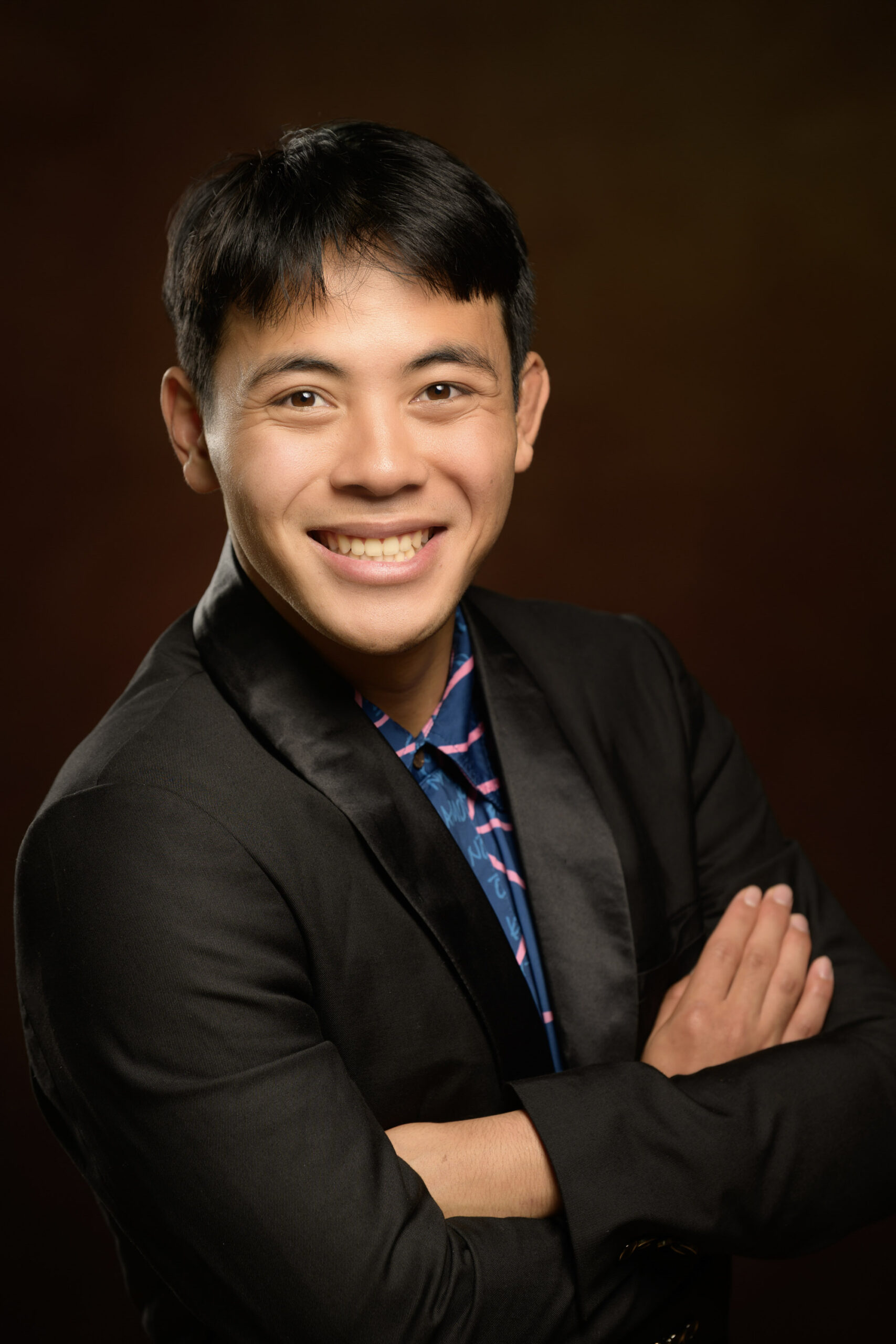
KAMAHA’O HALEMANU, Native Hawaiian
Kamahaʻo Halemanu is a Native Hawaiian leader and indigenous advocate dedicated to advancing the values of his lāhui. A proud graduate of Kamehameha Schools Hawaiʻi, he served as student body president and focused on civic engagement and voting initiatives for his home: Hawaiʻi in the 2024 Election Year. Currently at Amherst College, he intends to major in Law, Jurisprudence, and Social Thought. He remains committed to serving in politics and hopes to one day be on the frontlines in shaping indigenous policy.
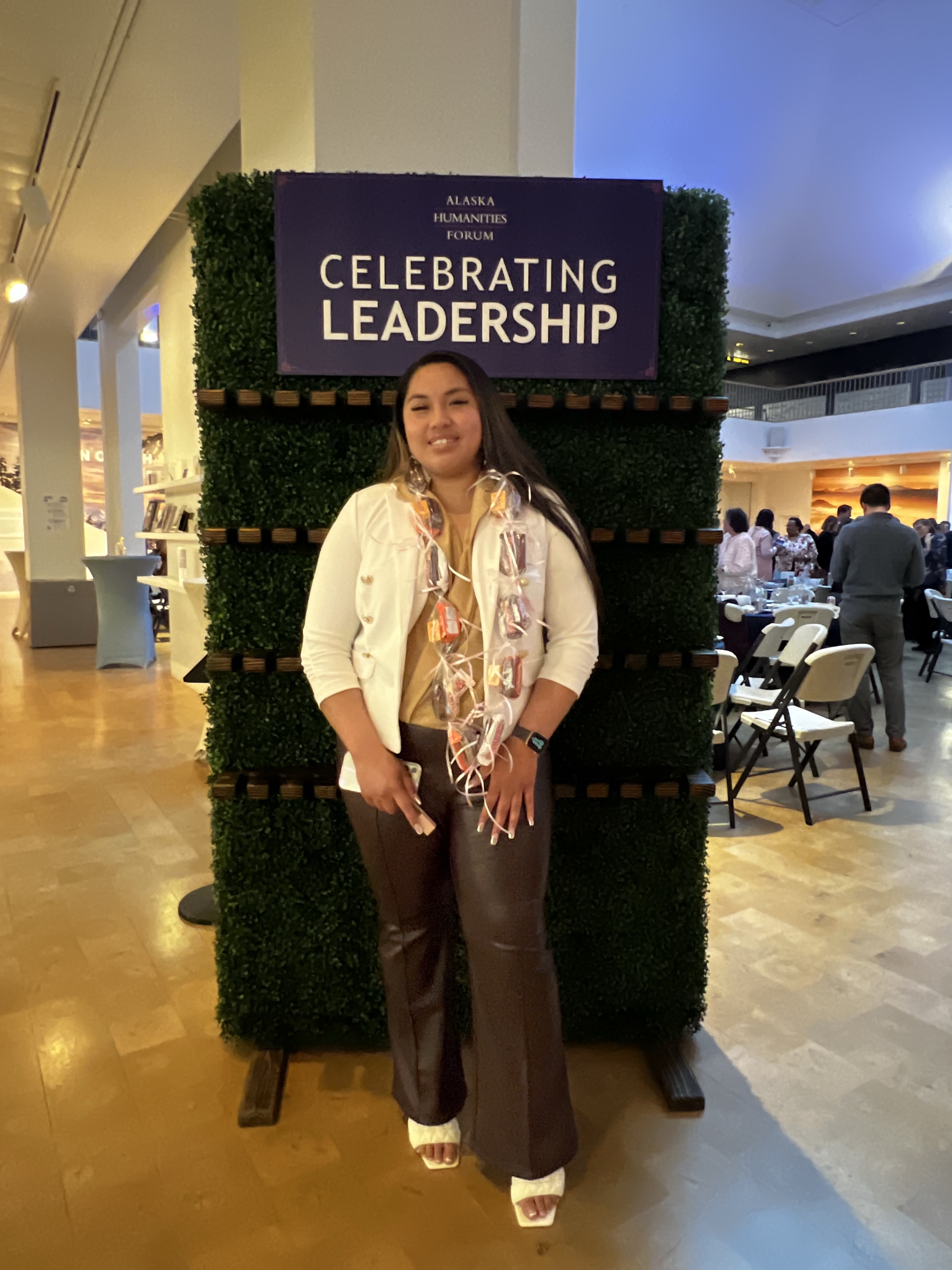
LORNA-LEI SUA’AVA, Samoan
Lorna-lei Lepa’inenea Sua’ava’s family is from the beautiful island of American Samoa. She proudly represent both sides of her family from the villages of Aua and Nu’uuli! She is currently pursuing a PhD in Developmental Psychology at Capella University. Her work is rooted in honoring culture, relationships, and collective well-being. I am grateful for the opportunity to give back to my community through community-based work that supports healing, resilience, and equity, including efforts to uplift youth, strengthen families, and promote culturally responsive systems of care.
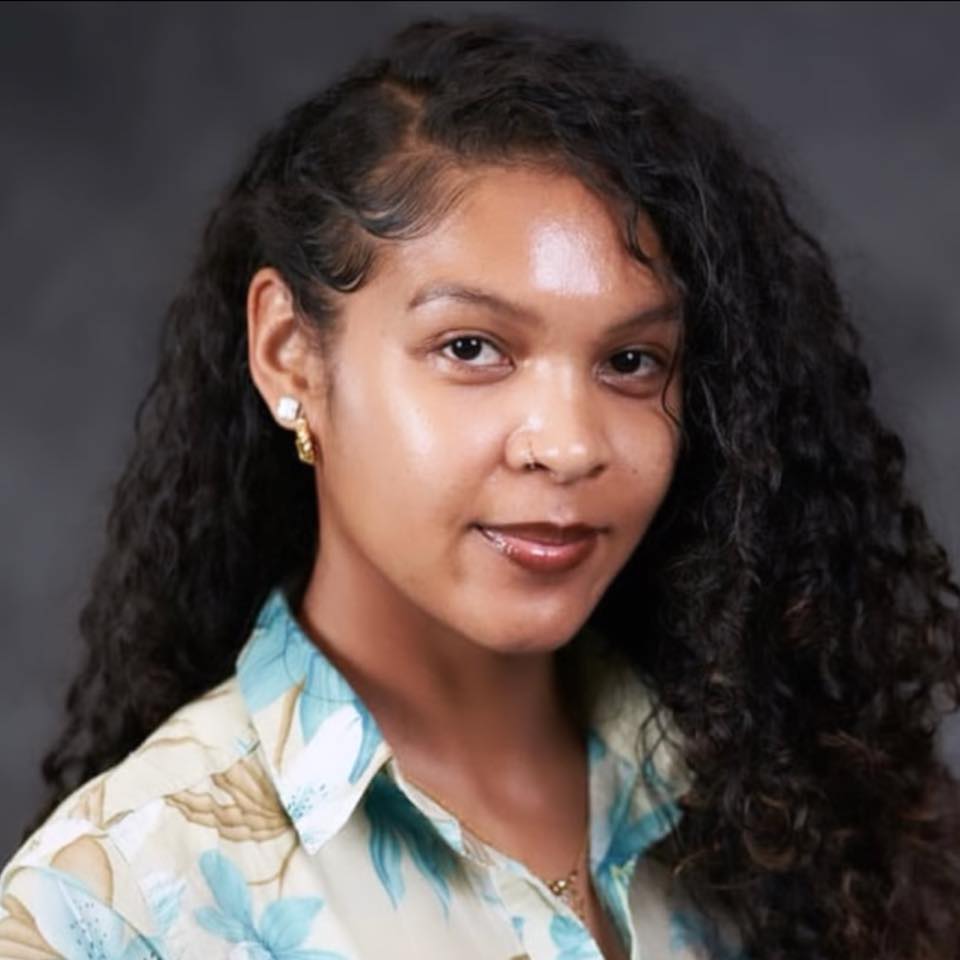
BRENNA TELLAMES WILLIAMS, Palauan and Filipino-Hawaiian
Brenna Tellames Williams from Fayetteville, North Carolina, and is pursuing my PhD in Composition and Cultural Rhetoric at Syracuse University. She is interested in diaspora studies, cultural identity and belonging, Hawaiian cultural practices as forms of rhetoric, and students’ right to their own language. As a member of the Pasifika diaspora, she has learned the importance of perpetuating cultural traditions and practices regardless of distance from the ‘āina.
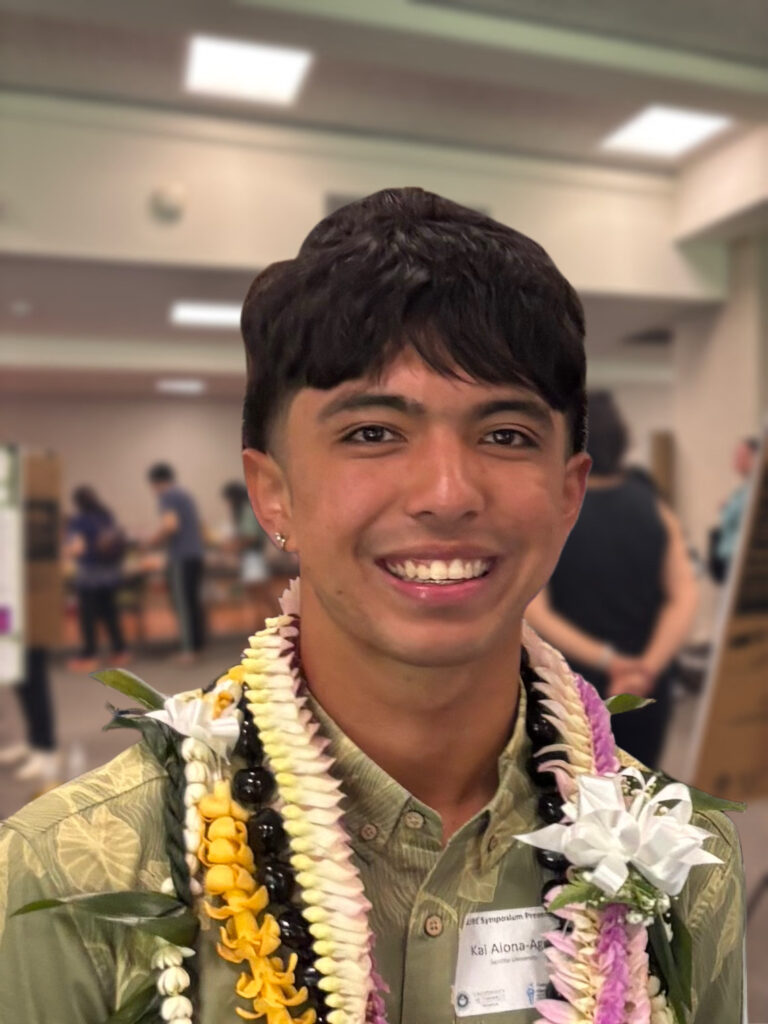
KAI AIONA-AGRA, Native Hawaiian
Kai Aiona-Agra was born & raised in Hilo, Hawai’i. He’s a third-year at Seattle University where he’s studying Cell & Molecular Biology and minoring in Chemistry and Environmental Science. Being raised in Hawai’i and being immersed in Native Hawaiian values taught him the importance of the connection between the ʻāina and the people. His research experiences at the University of Hawaiʻi at Mānoa and in a traditional Hawaiian loko iʻa have shaped his commitment to place-based stewardship. In his free time, he likes to play volleyball, go to the beach, and make lei.
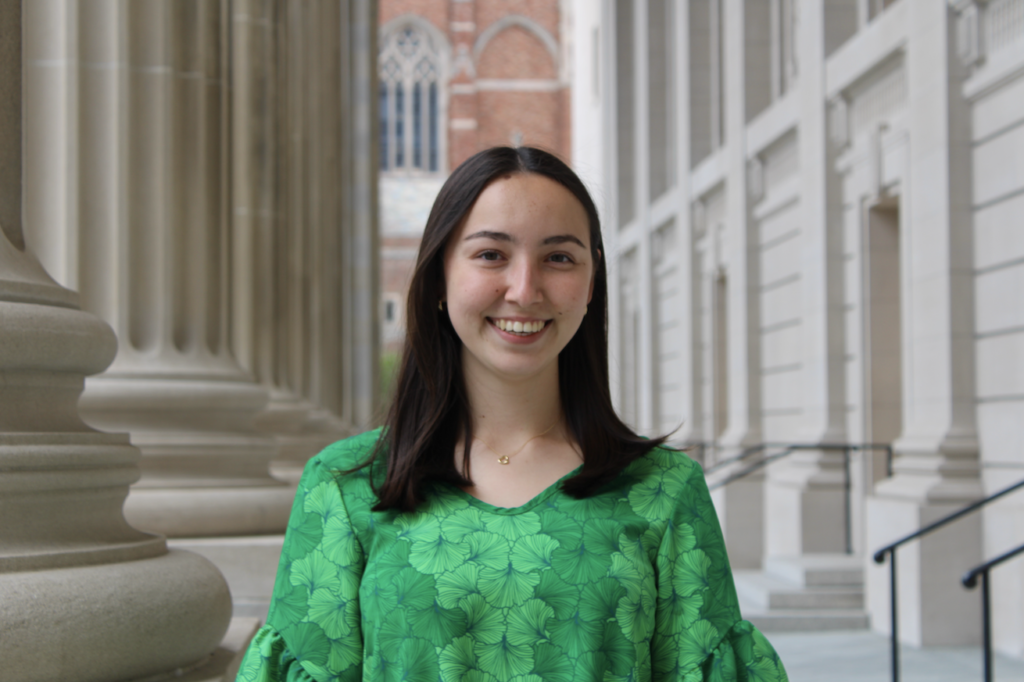
CAROLINE SLOPER, Native Hawaiian
Caroline Sloper was born and raised in Wailuku, Hawaiʻi. Sheattended Kamehameha Schools Maui, but now attends Yale University in New Haven, Connecticut where she study Molecular, Cellular, and Developmental Biology on the pre-medical track.
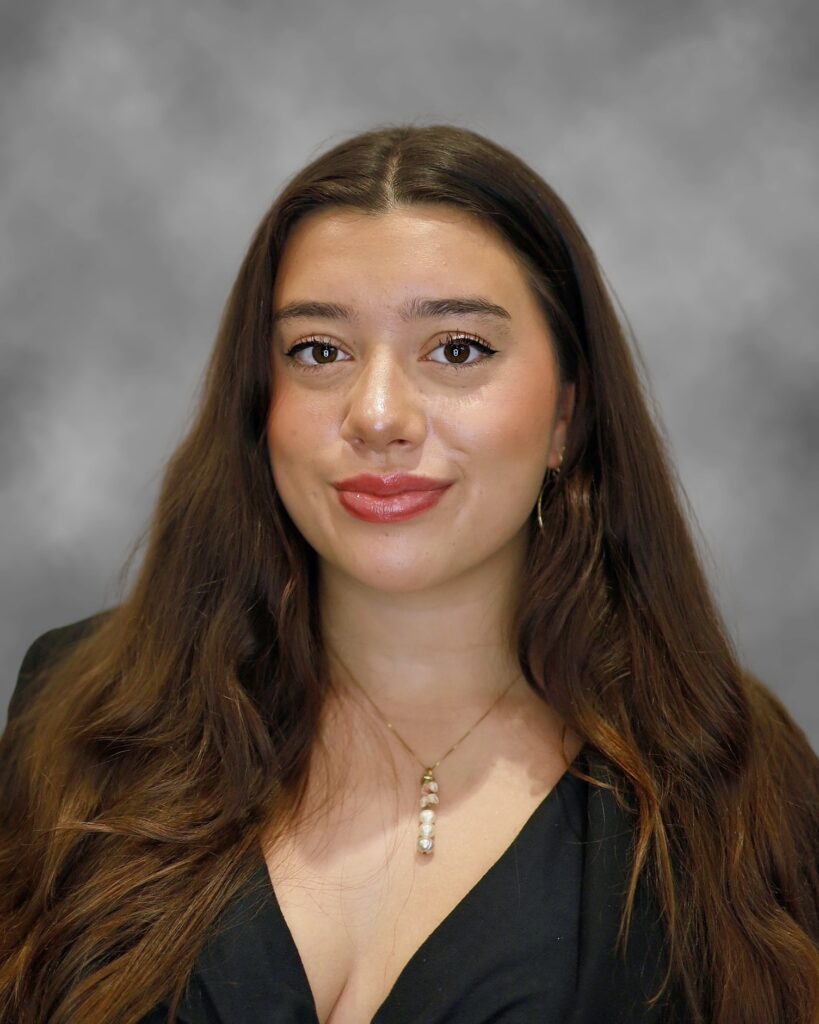
LEILANI HOFF, Native Hawaiian
Leilani Hoff is a 3rd year student at Emory University. She is double majoring in Anthropology and Human Biology and Interdisciplinary Studies. Her Interdisciplinary Studies major is centered in Native and Indigenous Studies, Environmental Science, and Sociology. She grew up primarily in the Dallas Fort Worth area of Texas, and spends the summers with my ‘ohana in Hawai’i. At her institution she am the president of our chapter of NASA (Native American Student Association), and is also involved with her sorority (Kappa Kappa Gamma) and the Buddhist Club.
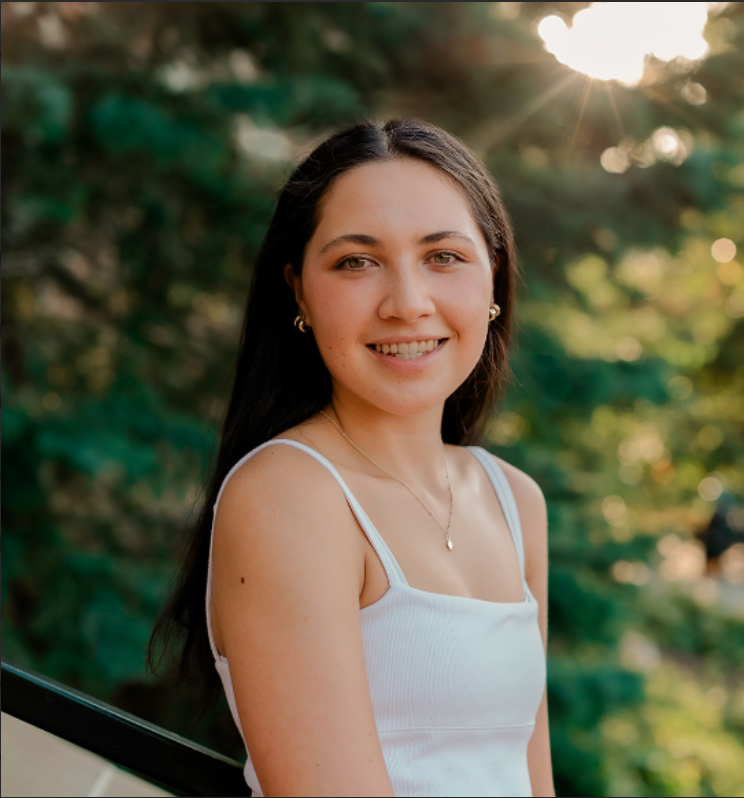
MARLEY TUITELE, Samoan
Marley Tuitele is from Boulder, Colorado. She is studying Business Economics at the University of California, Los Angeles (Class of 2029) and is passionate about creating positive environmental and social impact, particularly in addressing issues such as climate change and economic inequity faced by Pacific Islander and other Indigenous communities. She is also interested in finance for its problem-solving and strategic elements and hope to explore how she can align her career with her values to create meaningful change.
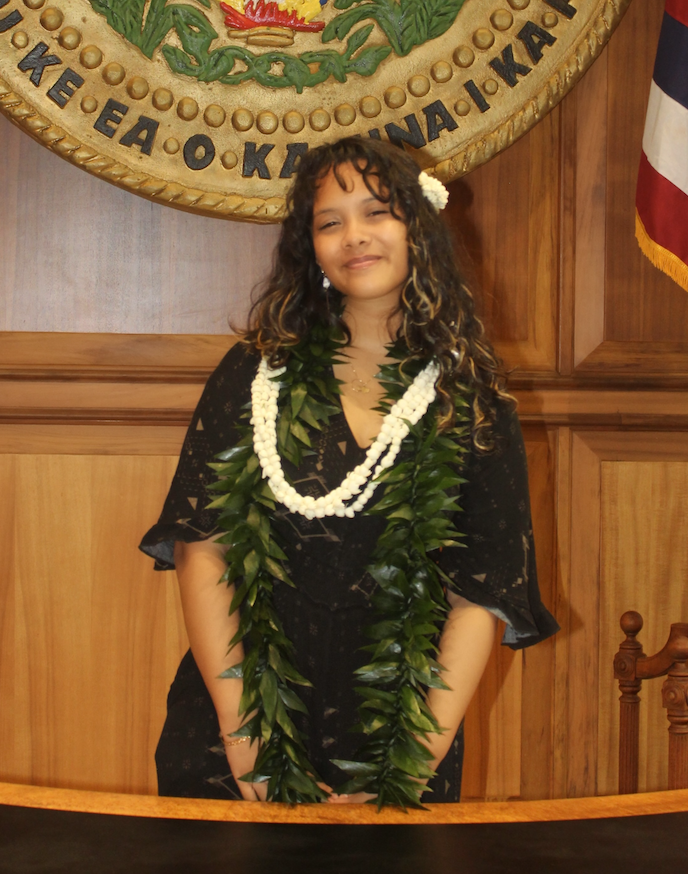
MELE KĀNEALI’I, Native Hawaiian
Mele Kānealiʻi is a kupa of Wailuku, Maui, and Kalamaʻula, Molokaʻi, and she a junior at Hamilton College studying public policy, economics, and Indigenous studies. She is a lifelong product of the Kaiapuni program, and growing up on Maui and Molokaʻi has shaped her passion for education equity and housing justice. She currently serves as the Legislative Lead for the Hawaiʻi State Youth Commission and has been involved in education advocacy with HawaiiKidsCAN since 2023, while also supporting housing research with the Maui County Council.

HELENA KA’AU’A, Native Hawaiian
Helena Ka’au’a is a freshman at Dartmouth College studying Neuroscience and Native American and Indigenous Studies from Austin, Texas. In the future, she aspires to be a Psychiatrist in Hilo, where her family is from, to help bridge the gap in Hawai’i’s physician shortage and provide care to Native Hawaiian populations. On the Dartmouth campus, she is involved with admissions as a Tour Guide, Hōkūpa’a, Chemistry research, and volunteering at the local hospital nearby.
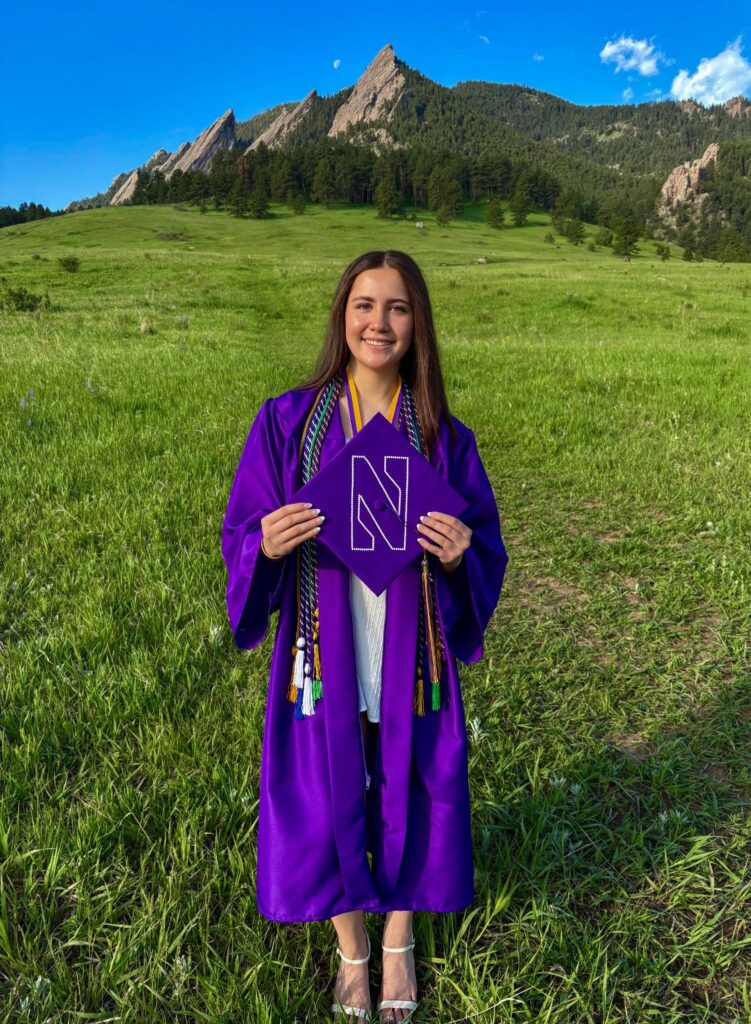
AVA TUITELE, Samoan
Ava Tuitele is from Boulder, Colorado. She is a first-year Economics student at Northwestern University. She is Samoan and spent much of my childhood in Hawaiʻi, where sheI developed a strong connection to Pacific Islander culture, community, and place. At Northwestern, she is involved in the Native American and Indigenous Student Alliance (NAISA), the Institute for Student Business Education (ISBE), and Women in Business. She is interested in finance and consulting for their analytical and problem-solving aspects. Through the Pūkoʻa Fellowship, she hopes to stay connected to my roots while building skills to create opportunity and give back to Pacific Islander communities.
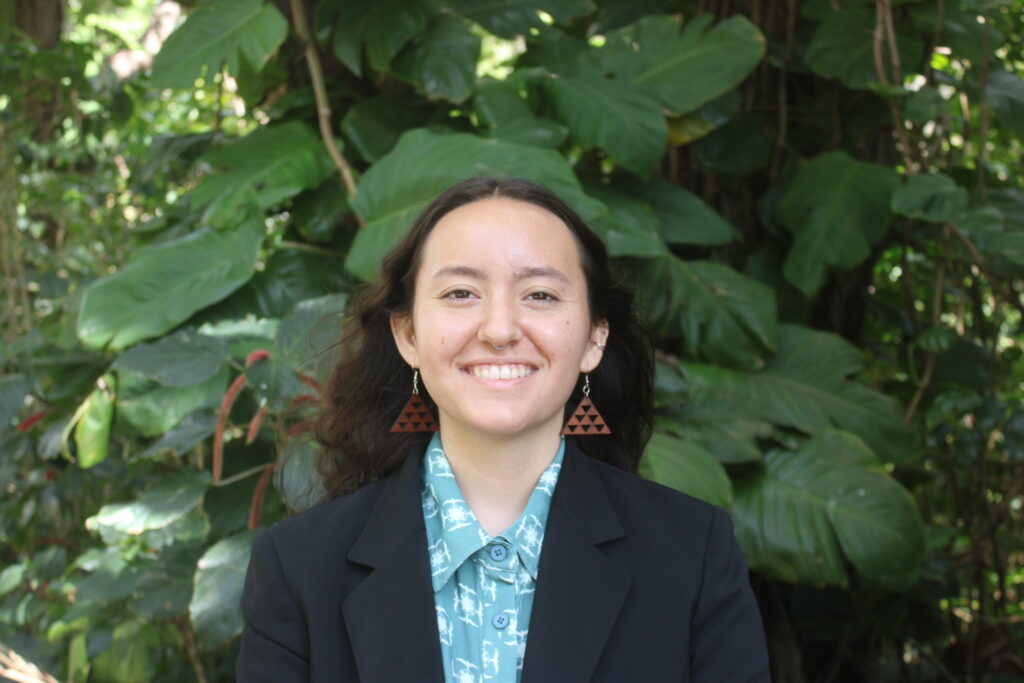
JAYNA KANOHOLANI, Native Hawaiian
Jayna Kanoholani (She/her) is an undergraduate student at Columbia University, double-majoring in Human Rights and Ethnicity and Race Studies with a Specialization in Indigenous Studies. Born and raised in Wailuku, on the island of Maui, Jayna is passionate about amplifying Pasifika voices in academia. As a Mellon Mays Undergraduate Fellow, she studies Native Hawaiian resistance to the overthrow of the Kingdom of Hawai’i. Aspiring to attend graduate school, Jayna hopes to use her pursuit of knowledge to advocate for Indigenous communities.
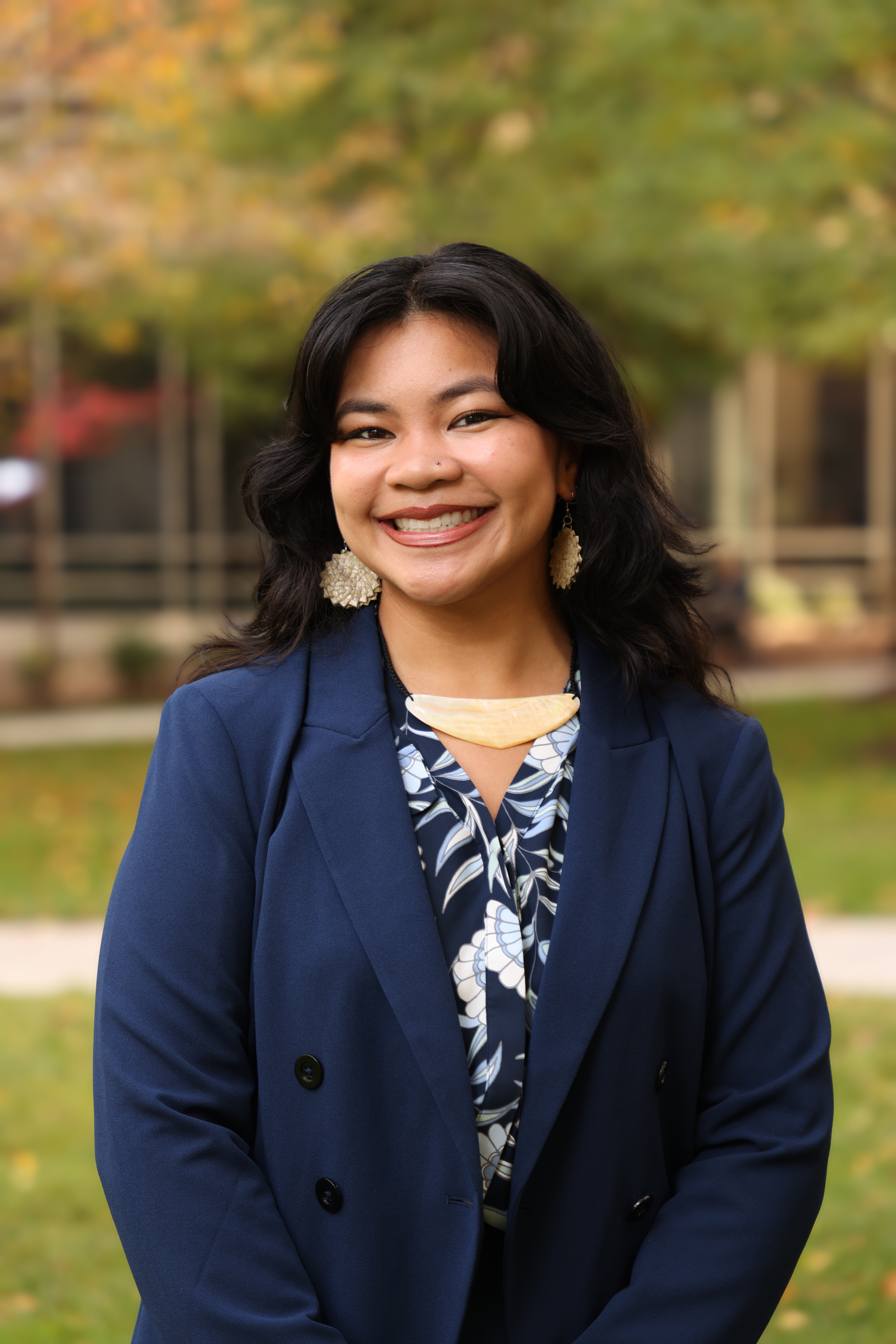
LANA AGUON, CHamoru
Lana Aguon, a CHamoru from Surprise, Arizona, leads life with her cultural value of inafa’maolek, meaning “to make good for each other.” Whether it be activism involving Indigenous, environmental, LGBTQ+, or education issues, she intends to “make good” for her people and communities. Lana received a Bachelor of Arts in Government with minors in Environmental Studies and Education Justice from Georgetown University in Washington, DC, as a first-generation college graduate. As a current law student at Georgetown Law, she is pursuing work at the intersection of Indigenous and environmental justice. She also plays trombone in a community jazz band, creates art, and attends local music shows.
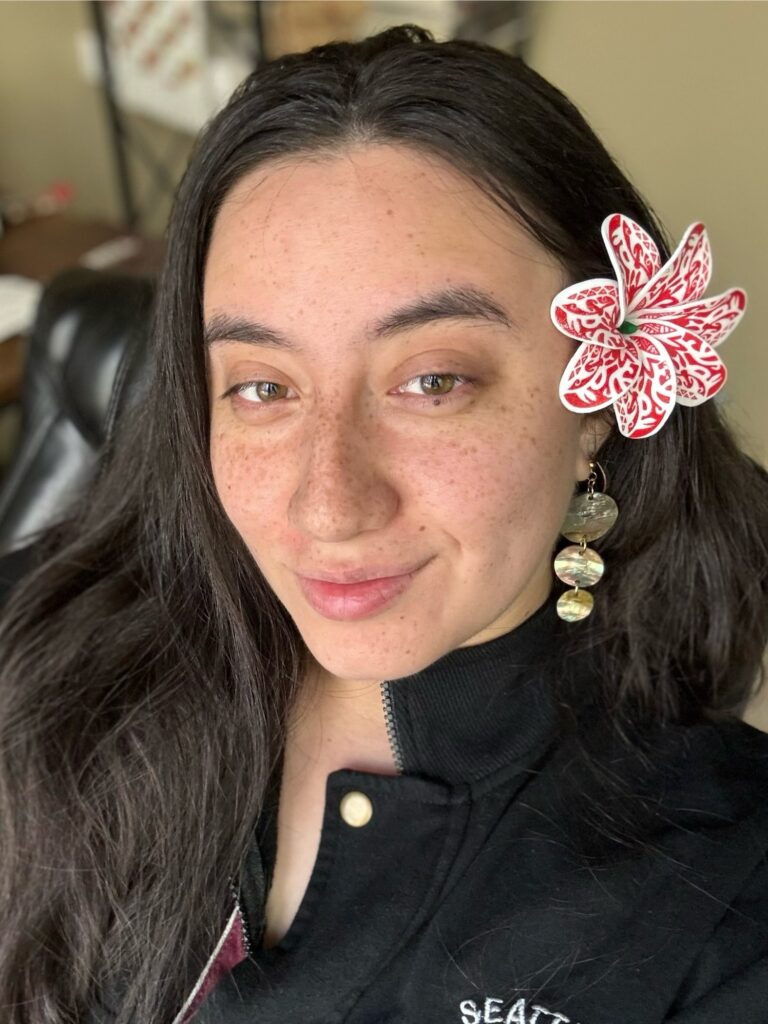
SARAH MCNALLY, Tongan, Rotuman, and Tuvaluan
Sarah McNally is a PhD student in Health Services Organization and Policy at the University of Michigan. She was born and raised in Ann Arbor, Michigan, but her family has roots in Tonga, Rotuma, and Tuvalu. Leading to her PhD was the opportunity to be in community with and learn from the work being led by NHPI and Native serving organizations on the West Coast, focused on decolonizing data, Indigenous data sovereignty, and Pasifika self-determination. She hopes to continue this work and support in uplifting the voices and experiences of our communities in the Midwest.
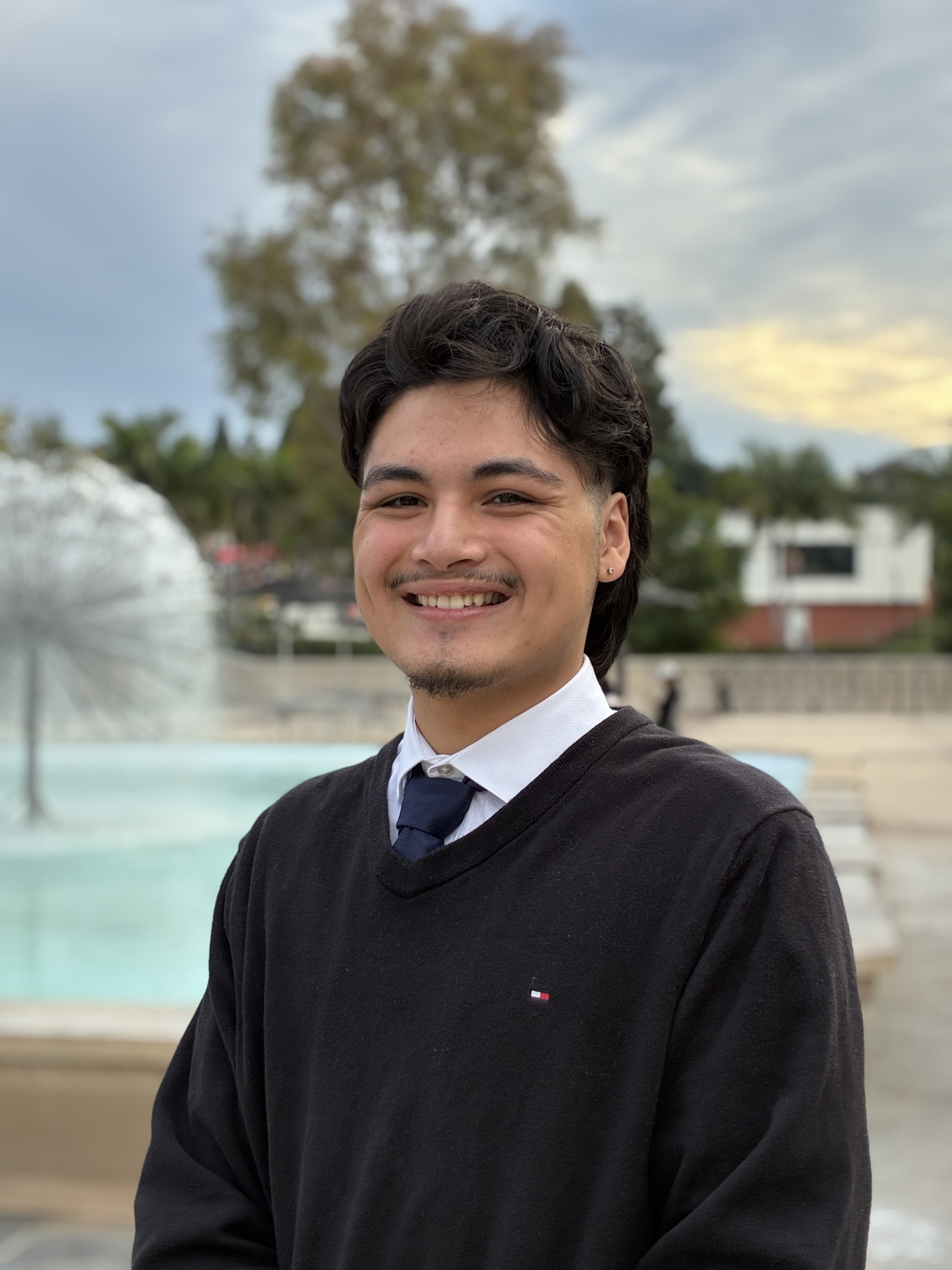
SILA STIBBIE, Samoan
Born and raised in Carson, California, Sila Stibbie is a sophomore at California State University, Long Beach pursuing a B.S. in Civil Engineering. Sila is always eager to engage with the Pasifika community, whether through local organizing or over a shared meal. Hoping to advocate for the next generation to pursue higher education and ensure that the Pacific Islander diaspora a seat at every table.
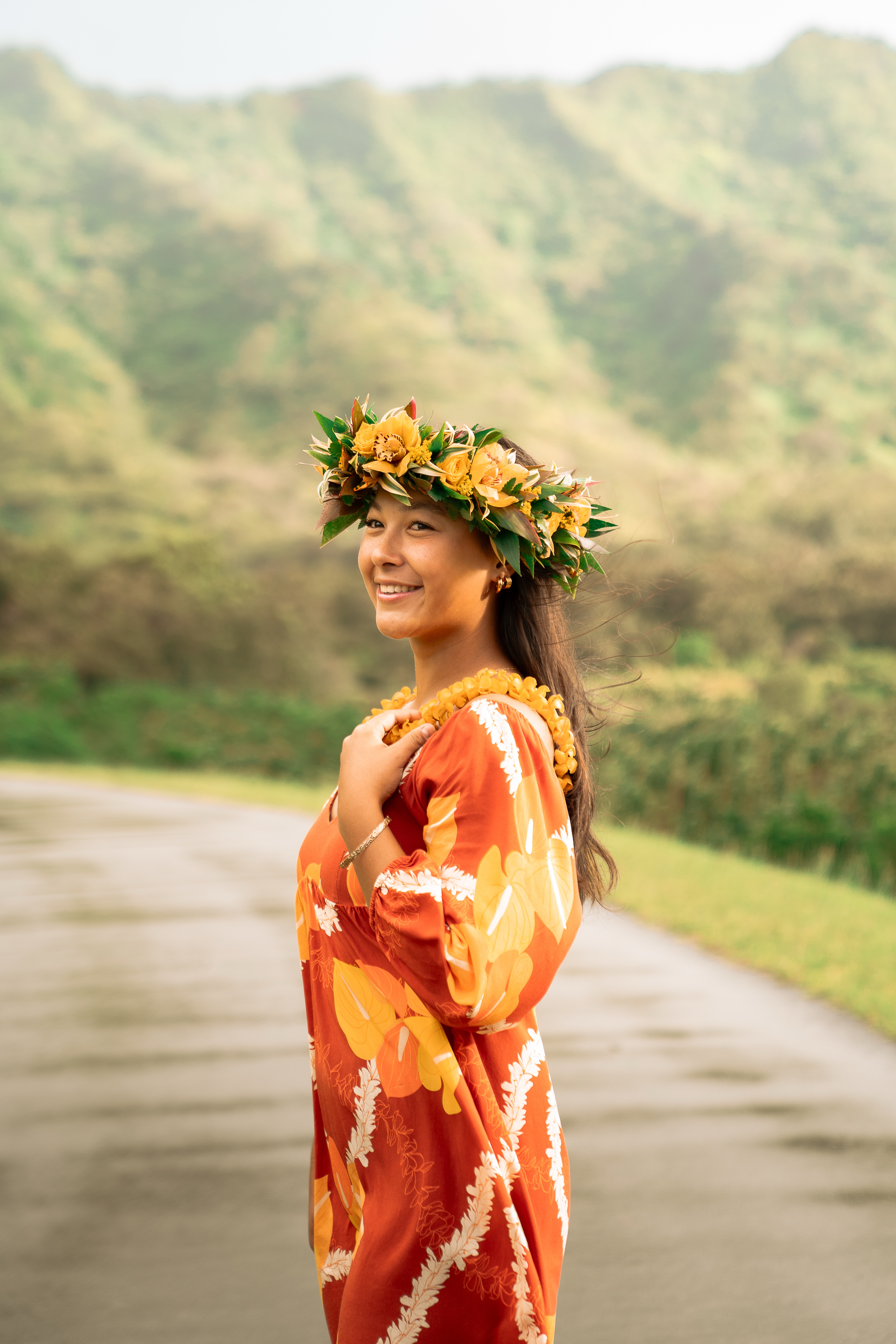
AUSTEN KINNEY, Native Hawaiian
Austen Kinney is a first-year student at Washington University in St. Louis, where she is a student-athlete on the softball team. She is a Native Hawaiian from Maunawili, Hawaiʻi, and a graduate of Punahou School. She is majoring in public health and biology, with a strong interest in women’s health and health equity. She is particularly passionate about addressing period poverty and expanding access to menstrual health education and resources. Through her academic studies and athletics, she hopes to pursue work that supports underserved communities.
Questions? Check out the FAQ or contact the team at pukoafellowship@gmail.com.