 Champions for Change
 Remembering Our Sisters
 Brave Heart
 California Native Youth Collective
 Building Communities of Hope
 Creative Native
 Democracy is Indigenous
written by 2026 CNAY Fellow Tiana Uriarte (Navajo, Mescalero Apache & Raramuri)
The streets of Tijuana hummed the rhythm of street vendors, music and the sizzle of freshly cooked foods. While I was merely a visitor for a weeklong field study, these are the sounds that locals get to experience every day. My original intentions for my studies abroad in Mexico were to study the native plants in the region and the differences in traditional healing. How simple these expectations were compared to the wealth of knowledge and opportunity that lay ahead of me. While Tijuana did contain regions for native plant growth and nurturing, the city’s avid participation in climate justice and environmental responsibility enthralled me in much greater depths. The creation of natural bathrooms and recycled water regions, slow increase in green spaces and active clean city programs are just a few of the ways that the city is taking responsibility. While these efforts may seem small and simple at first, the involvement of so many hands at once is what allows such a tremendous change.
As a border city, Tijuana is located right under San Diego in Baja California, Mexico. Being so close to the border allows the city to be a hub for numerous cultures and tourism. The lower costs also make the city a favorable option for American citizens to live in while commuting to the San Diego region for work. You will find the area rich in culture and food, with vendors and restaurants on every corner. I was also introduced to the iconic Dr. Simi, who is a logo for a popular Mexican pharmacy chain. While the city boasts a hefty list of attractive topics, it is also unfortunately known as a dangerous city with high crime rates. This information was one of the guiding reasons why I received a lot of discouragement in attending this study. My family was worried about my safety and my friends shared numerous comments filled with concern. Why would I choose to study in such an area?
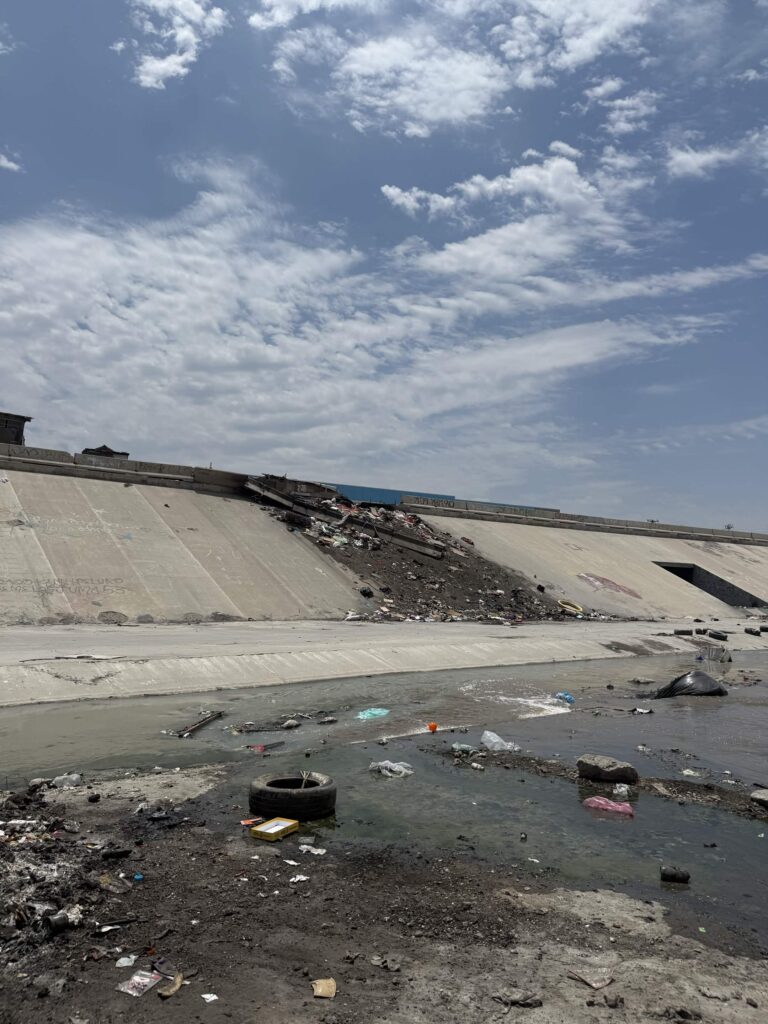
Throughout my time in the Tijuana, I received nothing but warmth and hospitality from locals. Instead of negative feelings for myself, I found my mind plagued with worries for the wellbeing of residents in the region. The city is heavily impacted from polluted water and rapid industrialization. I was given the chance to interview individuals and hear their stories about how local canals, that once ran clean, were now too dangerous for young children to play in. Hives and rashes were only a few of the resulting crises that could riddle their bodies, causing tremendous pain and itching. While untreated sewage is the story commonly shared regarding the runoff into San Diego County beaches, there is more to the story. Industrial sites and factories were revealed to be leaking hazardous substances and chemicals into nearby canals and regions that people commute through daily. The dirt and trash left behind from creating these sites were found to be dumped on residential lands in exchange for pesos, creating mountains of dirt and garbage.
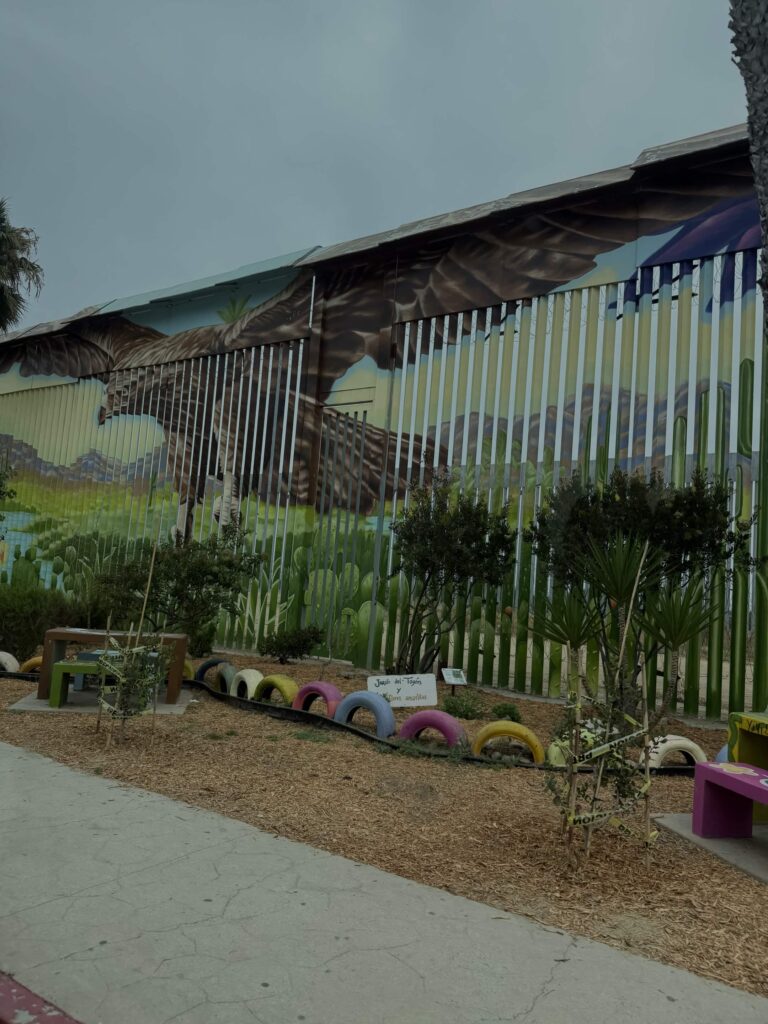
Fortunately, the residents of Tijuana are not merely sitting by and watching these inequalities develop. Organizations such as Proyecto Fronterizo de Education Ambiental have created regions for native plant growth, recycled water and the promotion of zero waste through community action projects. Love Does, a nonprofit organization headquartered in San Diego, has also contributed to these efforts with the opening of a primary and secondary school in the city. This region serves as both a school and an asylum camp for refugees coming from Central and South America, as well as countries riddled with war overseas. Even the border, which stands nine meters high and could serve as a gut-wrenching landmark, was decorated in murals of significant figures and remembrance. Friendship Park, which continues to exist and remain maintained even after the walls were put up, serves as an example of how the Mexican people continue to upkeep resilience and love even during the toughest of times.
Though these efforts are impressive, it is extremely important to recognize that community participation allows for the sustainability of these programs. Community organization, local activism and civic participation are just a few of the many ways that these programs are supported. Leaders from Proyecto Fronterizo mentioned the significance of public leadership, and the people, in the upholdings of these programs. From local residents, to overseas and cross-border volunteers, it is the people that provide continuous support to allow these places to continue thriving. To pass on a message from a CETYS Universidad professor: “cuidarnos a significa cuidar el planeta.” Caring for ourselves means caring for the planet. Our health is directly tied to the land and its wellbeing, and we should remember to treasure it as such.