
 Champions for Change
 Remembering Our Sisters
 Brave Heart
 California Native Youth Collective
 Building Communities of Hope
 Creative Native
 Democracy is Indigenous
This content originally appeared on the Center for Rising Generations’ Substack: The Groupchat
Real insight into the future of philanthropy isn’t coming from strategy decks or national conferences, it’s coming from young people who have watched resources bypass their communities for years. More specifically, Native youth, who are stepping into spaces never designed for them and reshaping them with clarity and creativity that institutions struggle to match on their own.

We’re happy to highlight Erik Stegman’s reflection as CEO of Native Americans in Philanthropy, where he shows how Native youth moved from being invited into funder spaces to building their own infrastructure with the Indigenous Tomorrows Fund. Youth leadership should not exist for tokenization, but as an opportunity to restructure how resources flow, how decisions are made, and how communities define their own futures.
To hear more about how Native youth are taking charge to build philanthropic infrastructure for their communities and beyond, read below!
Erik R. Stegman, Chief Executive Officer of Native Americans in Philanthropy
When I took the helm at Native Americans in Philanthropy (NAP) almost six years ago, I only understood a fraction of what I do now when it comes to philanthropic infrastructure. What do I mean when I say philanthropic infrastructure? I mean the organizations, capacity, and tools in place to move resources to communities. When NAP was founded over 36 years ago by Native professionals who worked in the philanthropic sector, we had very little infrastructure in place focused on the needs and opportunities in Native communities. I recently wrote a piece with my friend, Victoria Sweet, about the movement of Native-led funds—some of the most important infrastructure we have to distribute resources.
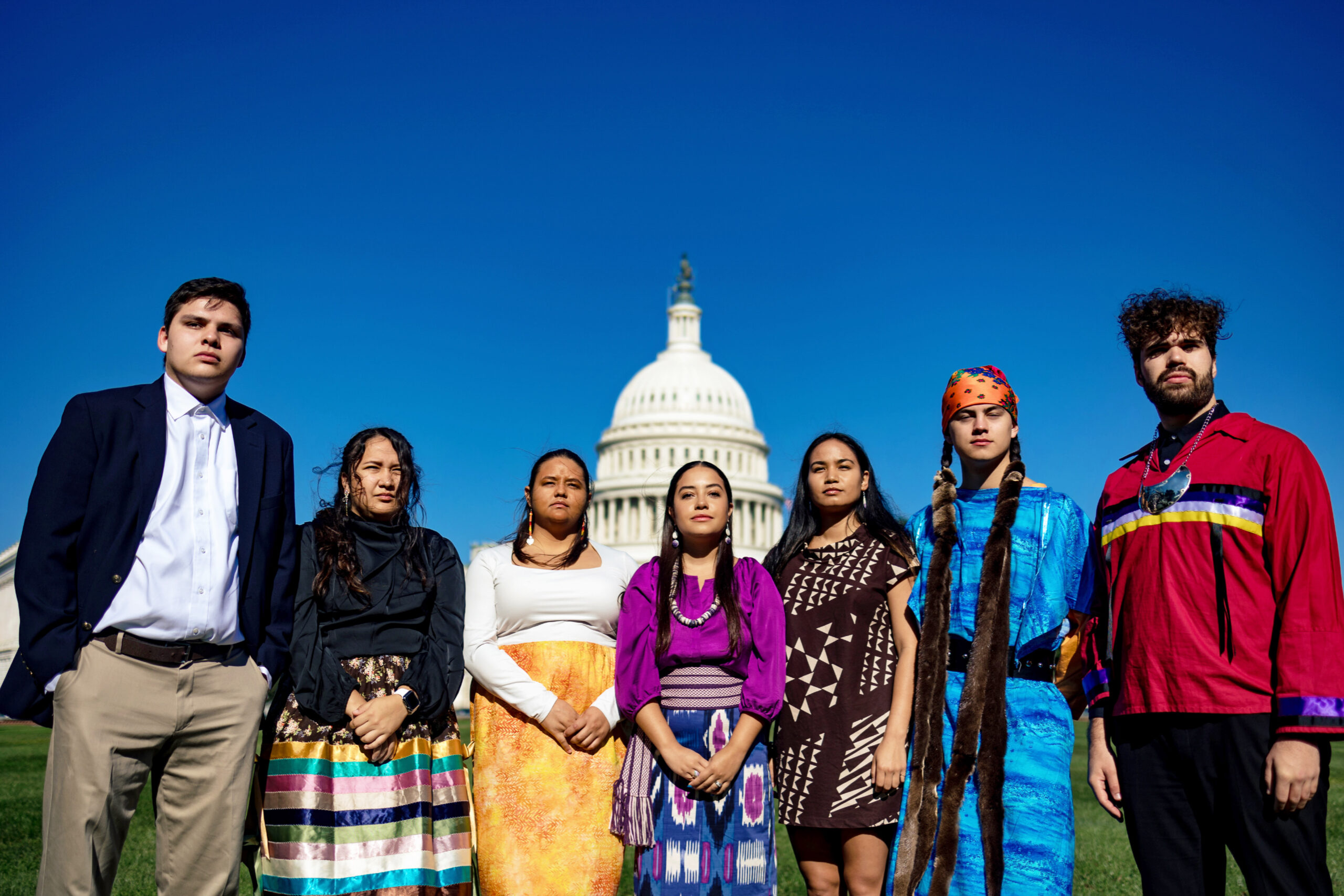
Philanthropic infrastructure matters because it’s about shifting power. In my last role, I had the honor of serving as the Executive Director of the Center for Native American Youth at the Aspen Institute. It was one of the best jobs of my life—mainly because I had the chance to truly co-create programs with the Native youth leaders we served.
As we developed and built programs together, I had more and more youth leaders asking me about where the funding came from for our programs. They didn’t understand what the philanthropic sector really was, but they knew that philanthropy had power and didn’t understand them well enough. I started to take youth leaders on the road with me to meet with funders directly. As the experts in their own lives, they were a lot better at communicating with funders about our programs than I was.
It was sort of a “duh” moment for me.
In meeting together with funders, I also realized just how alienating and extractive a lot of funder conferences, roundtables, and meetings were for youth leaders. Foundations speak in their own language, too often over emphasize the importance of advanced degrees, and ask for a lot of data and information without always compensating young leaders for their time and contributions.
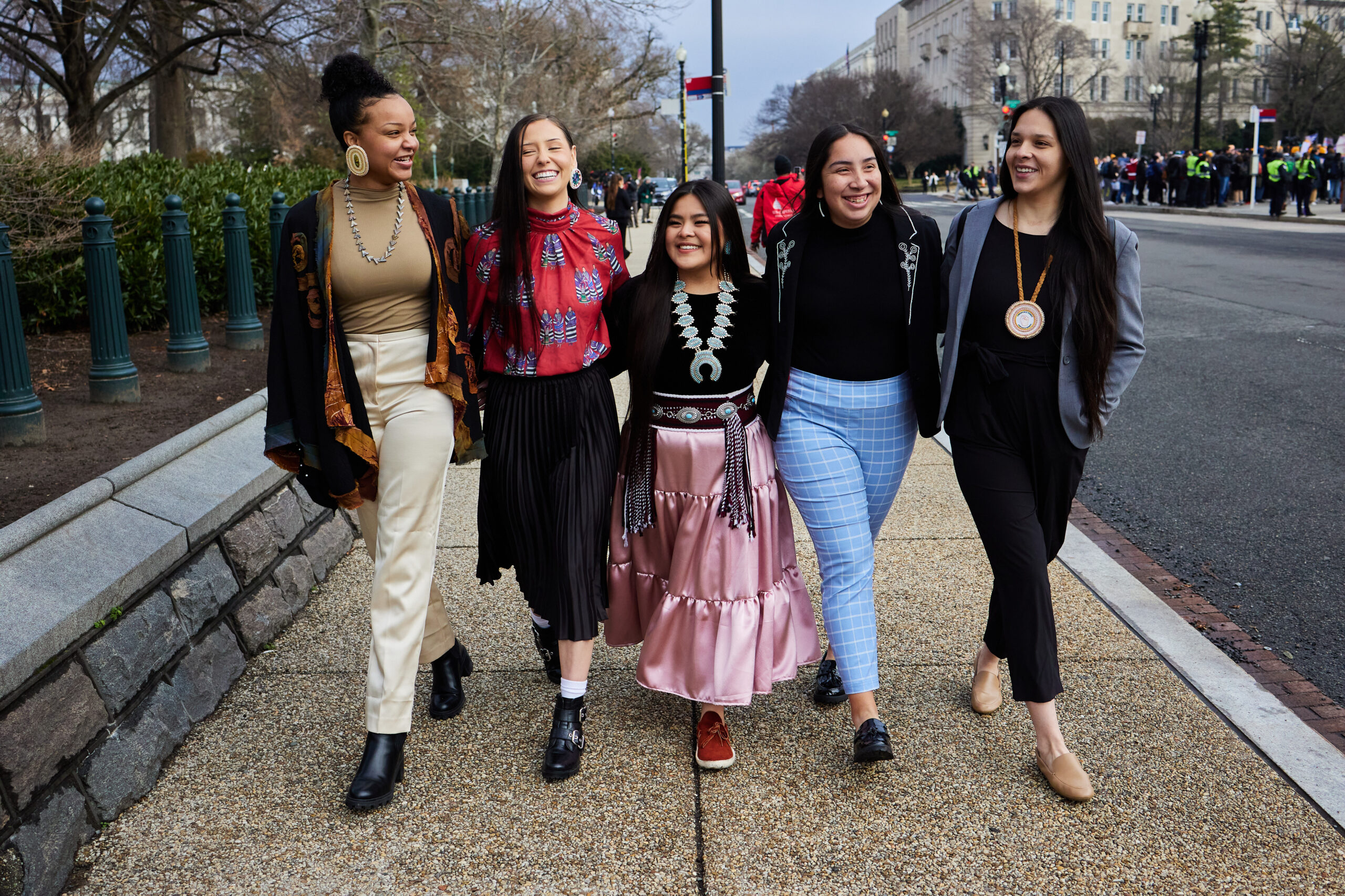
That’s why we created the Native Youth Grantmakers program at NAP. We needed to stop just putting Native youth at tables with funders and expecting the right outcomes. Our young leaders needed to understand the sector, how power operated in it, and what Native people were doing to influence it and expand the pool of resources for our communities.
The program has excelled beyond my wildest dreams. Not only do participants get first-hand experience in grantmaking through Native Voices Rising, but many of them are now working in philanthropic institutions or partner nonprofits. I can already see their collective voice and experience reshaping the sector and how it understands the potential in our youth leaders.
Now, youth are designing their own infrastructure. Last year, we launched the Indigenous Tomorrows Fund in partnership with Newman’s Own Foundation and Novo Nordisk, a first-of-its-kind participatory fund designed and led by Native youth. Native youth giving funding to Native youth-serving organizations. It’s a perfect example of how young people can shift power in the philanthropic sector. The other thing I’ve learned from this experience is that when you put power in young leaders’ hands, they’re so much better at engaging their own communities. The reach of our youth leaders’ networks is remarkable and their ability to showcase opportunities like this to youth across the country is inspiring.
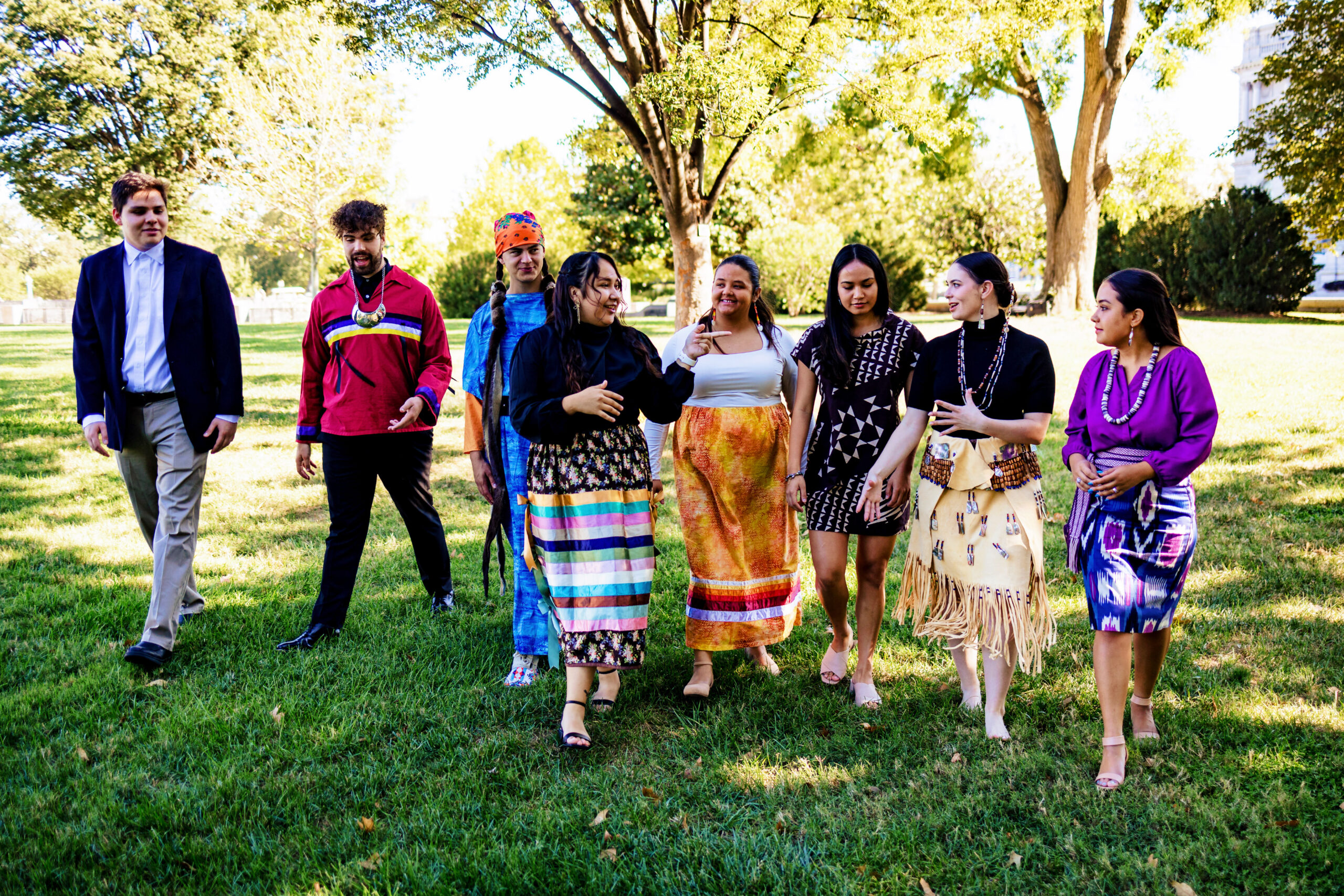
The world is confronting us with some deep and troubling challenges these days. It’s easy to lose hope and maintain the energy to move forward. Not when you get to partner with youth leaders like the ones who drive so much of our work today at NAP. They are creative and grounded in their culture and language. They are stewards of intergenerational connection. And, they have bold visions about a brighter future. I hope this is only the beginning of a growing movement of Native youth in philanthropy. With the knowledge and tools to move resources in this sector, big things are possible for our people.