 Champions for Change
 Remembering Our Sisters
 Brave Heart
 California Native Youth Collective
 Building Communities of Hope
 Creative Native
 Democracy is Indigenous
Illuminating female & femme youth passionate about advocating and raising awareness for the MMIWG2S+ epidemic.
About the Program
Indigenous women, girls and two-spirit people experience violence, sexual assault, go missing and are murdered at the highest rates of any ethnic group. This epidemic of injustice has become known as the Missing and Murdered Indigenous Women, Girls and Two-Spirit+ (MMIWG2S+) crisis. We will never forget our sisters who have been lost.
The Remembering Our Sisters track of the CNAY Fellowship program provides a platform for young Indigenous women and femme-identifying leaders (ages 18-24) to honor our relatives through is a virtual storytelling and digital arts. Our goal at the Center for Native American Youth (CNAY) is to equip Fellows with tools, resources and a platform to advocate for:
1. Increased visibility and action to end the MMIWG2S+ epidemic
2. Policies that seek to end violence against our Indigenous sisters
Learn More
The CNAY Fellowship is a program for aspiring Native youth leaders looking to make an impact in their communities. CNAY provides tailored sovereignty, leadership and advocacy trainings, unique opportunities for education and knowledge sharing, and micro-grant support to complete a community action project.
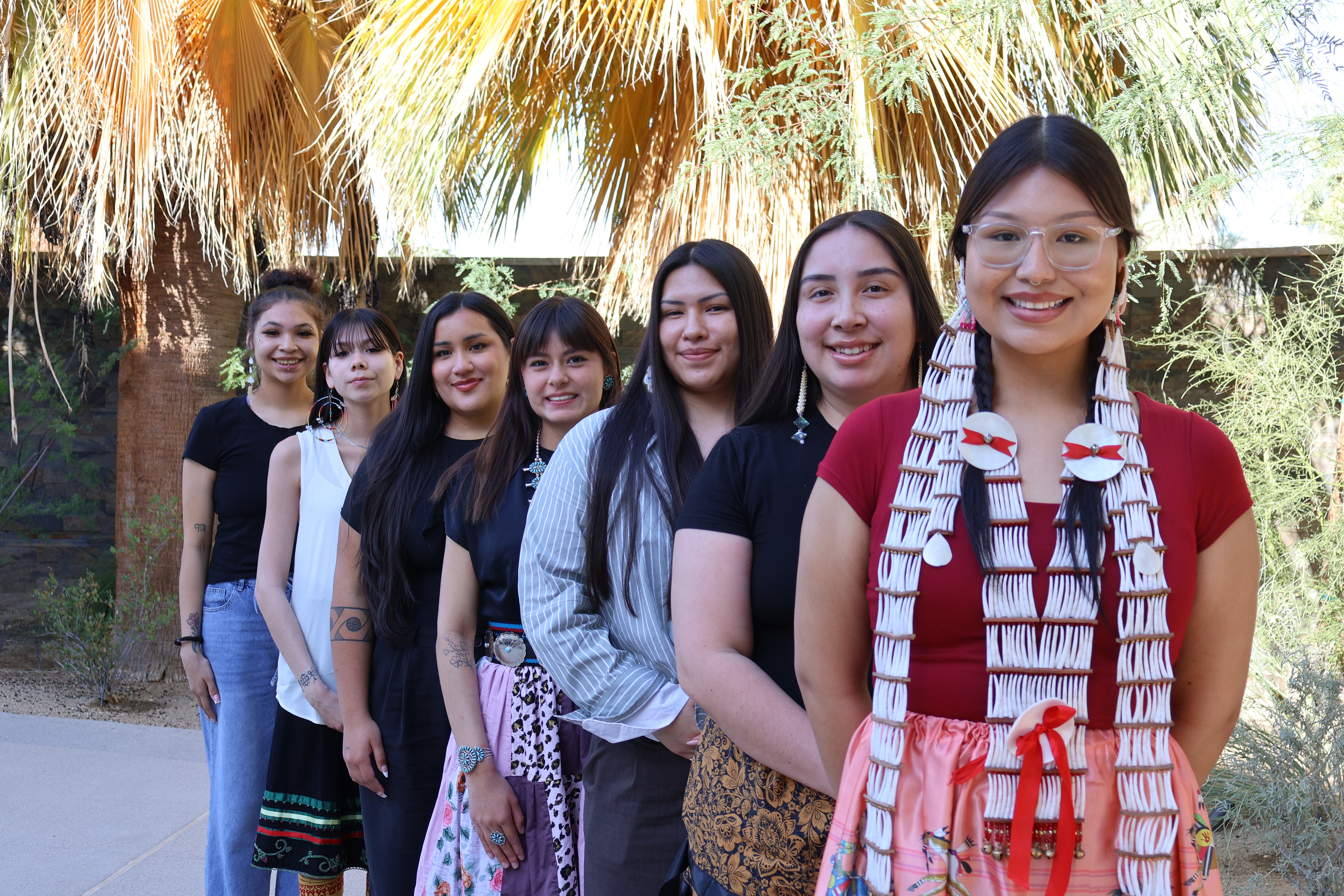
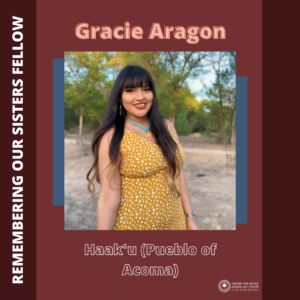
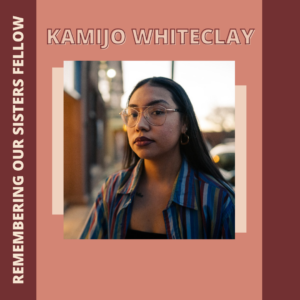
Each year, a group of femme-identifying Native youth embark on a collective healing journey in support of our stolen relatives. Belle, Kaya, Nichole, Phoenix, Precious, Puc & Sadie will create digital art pieces that advance the MMIP movement, which can include toolkits, murals, websites, published work and more. CNAY also provides peer-to-peer learning opportunities, mentorship and a platform to elevate their work.
NEW in 2026! Members of the Remembering Our Sisters cohort will also become part of the larger CNAY Fellowship program, engage in a shared, core curriculum & convene in community as one. CNAY Fellows become part of an engaged network of like-minded leaders, including issue-area experts who serve as mentors in spaces of policymaking, cultural knowledge and communications. The curriculum is culturally responsive and includes an Indigenous evaluation process. Fellows participate in qualitative interviews, which inform methods for improved outcomes, community impact and addressing the epidemic.
Learn more about the 2026 Cohort:
- CNAY Fellows Embark on a Journey of Community Impact
- Braids for Cole [INSTAGRAM]
- 2026 CNAY Fellows Convene on Cahuilla Lands
- MMIP Awareness Day [INSTAGRAM]
Remembering Our Sisters was truly one of the best opportunities I have been a part of. I was given a platform that encouraged my voice, ideas and well-being.
For me, it was a space of not only advocacy and fellowship, but of sisterhood and healing.
Narrative Change
Remembering Our Sisters provides a platform for CNAY Fellows to share their work in their own voice, furthering the narrative and discourse surrounding Native American youth and MMIP. We encourage Fellows to approach these conversations from a Native perspective and provide unique opportunities to highlight their efforts and experiences through local and national media outlets.
Questions? Please check out our Frequently Asked Questions (FAQs) or contact cnayinfo@aspeninstitute.org.
Project Spotlight
Additional information and complete projects from former Fellows can be found under each individual bio below.

McKaylin Peters (2024) directed Fighting the Fight – a mini documentary that features Menominee activists, affected family members, educators and elders. As a gesture of gratitude, she also presented each interviewee with a red ribbon skirt in honor of a missing or murdered Menominee citizen.
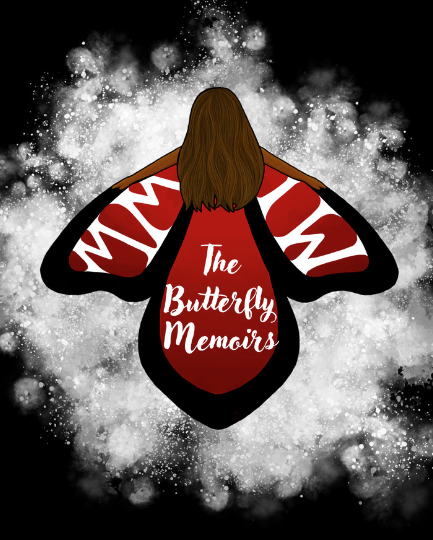
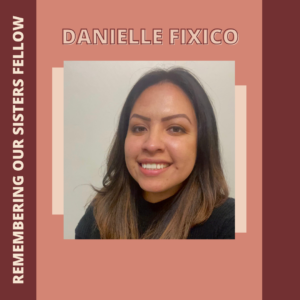
Danielle Fixico (2023) developed Beyond the Veil – a project that includes an audio recording and sharable stickers – to tell a powerful story of how butterflies represent Indigenous women, “carry[ing] future generations of change makers that are often only seen for their beauty, which could ultimately be their curse.”

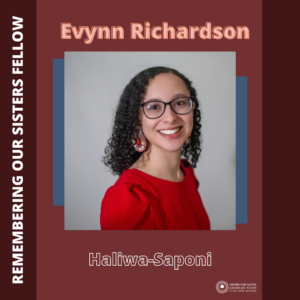
Evynn Richardson (2022) created Using Art for Activism – a toolkit in which she provides resources for others looking to use art to uplift our stolen relatives and spread awareness of the injustices they face, while remaining respectful of Native cultures and peoples.
Become an MMIWG2S+ Ally
MMIWG2S+ impacts Indigenous people in urban, rural, village and tribal communities across America. Many factors leave our relatives vulnerable, including invisibility, discrimination and racism. Other contributing factors are lack of awareness, accurate data collection, media coverage, policy and legislation, and respect for tribal autonomy and sovereignty. Thus, ending this crisis requires advocates, allies and community support:
- Donate or volunteer for to Indigenous-led organizations working on this issue, such as the Coalition to Stop Violence Against Native Women and the National Indigenous Women’s Resource Center
- Call your representatives and tell them to make addressing MMIWG2S+ a priority!
- Seek resources on MMIWG2S+
- Support legislation, lawmakers and leaders addressing MMIWG2S+
- Uplift voices – share on social media and inform your communities
We must continue to raise awareness and take action to end the MMIWG2S+ epidemic for our future generations to fully and safely live and thrive.
Meet the Fellows